
In community colleges, there is a large diversity of students. One of the outstanding features is the number of students who are parents. According to the Institute for Women’s Policy Research, “student parents are more likely to attend community and technical colleges than non-parenting students.” Mesa College, here, is no exception, with many parents enrolled who are dedicated to their studies.
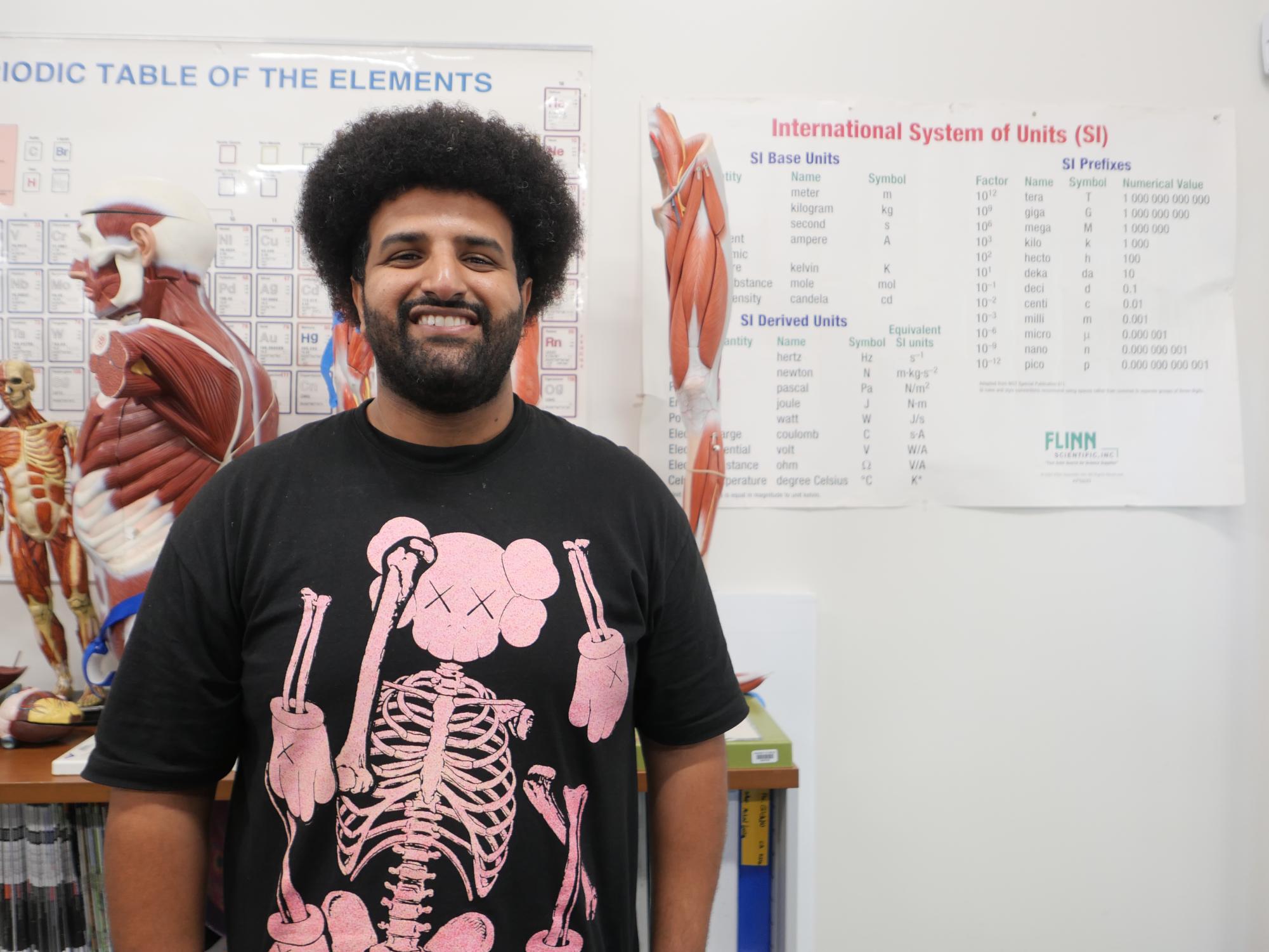
Hamad Alshaif is one of the student parents at Mesa, parenting two kids, an 11-year-old girl and a 3-year-old boy.
“When my daughter was born, I wanted to try something new. I wanted to do something different. It was kind of like a wake-up call for me to do something else with my life,” he said.
After that, he returned to Mesa University as a student and decided to work as a tutor. Everyday life for him is always busy with being a student, working, and parenting.
“[That is] wearing different hats, right? So, you have to try to figure out ways to kind of prioritize your time when to study when not to study, and when is it time to be students. I think there’s the biggest struggle,” he said.
One of the biggest challenges student parents face is a lack of resources such as time, manpower, and information.
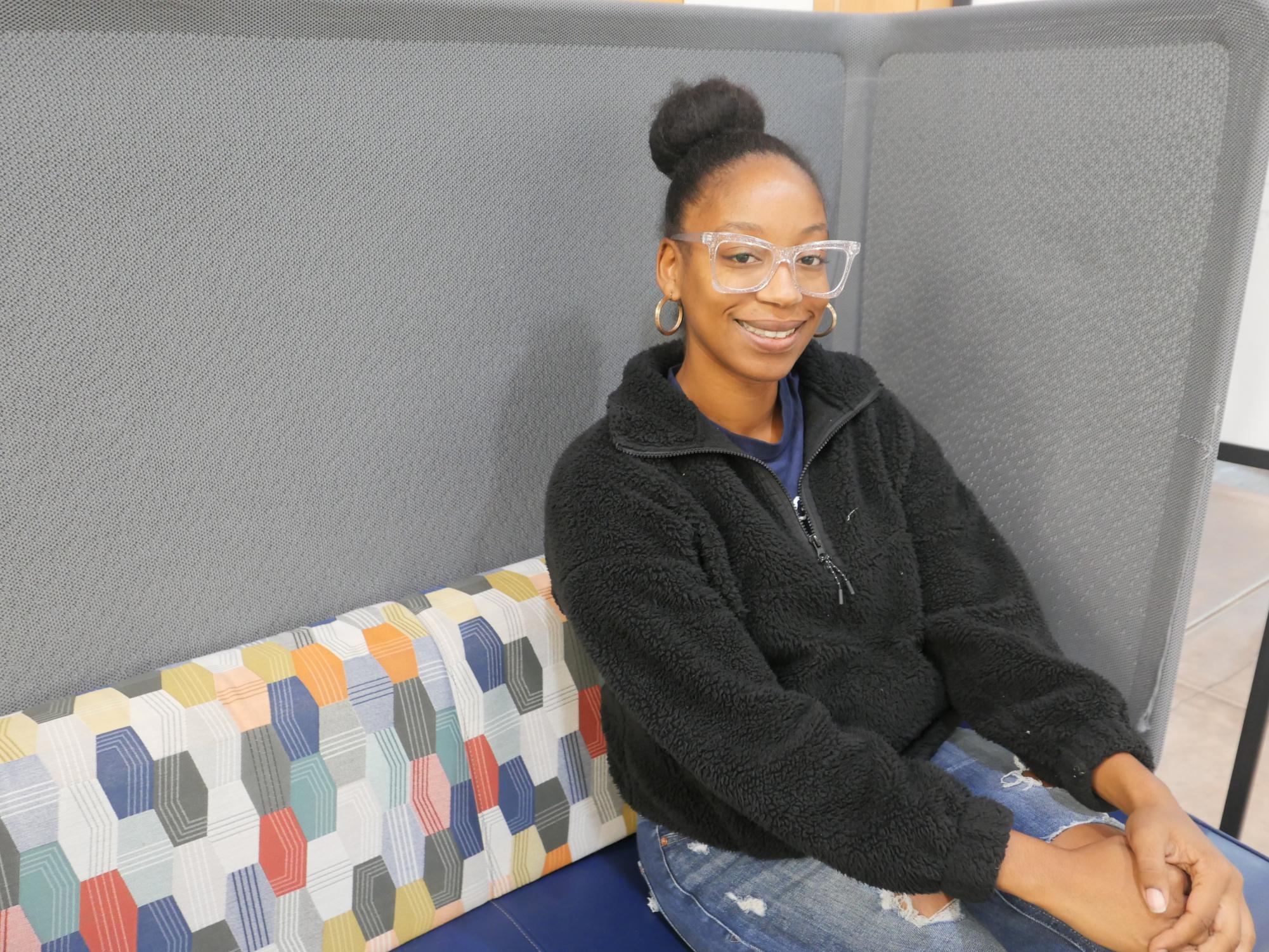
Delcarria Mccullough, a parent of a 7-year-old daughter, is another returning student. She tried to attend Mesa before, but she stepped away because she had to prioritize work over education at the time. However, she decided to come back to Mesa again.
“Watching my daughter grow up and understanding that I wanted something that was more of mine that I could offer, or I can encourage my daughter,” she said.
Even though she returned to school with a positive attitude, it’s certainly not all fun and easy. Living with her daughter, father, and dogs, she always has things to care about. “Struggle for me is not necessarily the things I can control, but the things that are outside of my control that I’m working on,” she said.
Student parents like them are constantly in situations where they must take responsibility for someone other than themselves. They have to pay attention to matters outside of their own. In that regard, they need emotional support as well as material support.
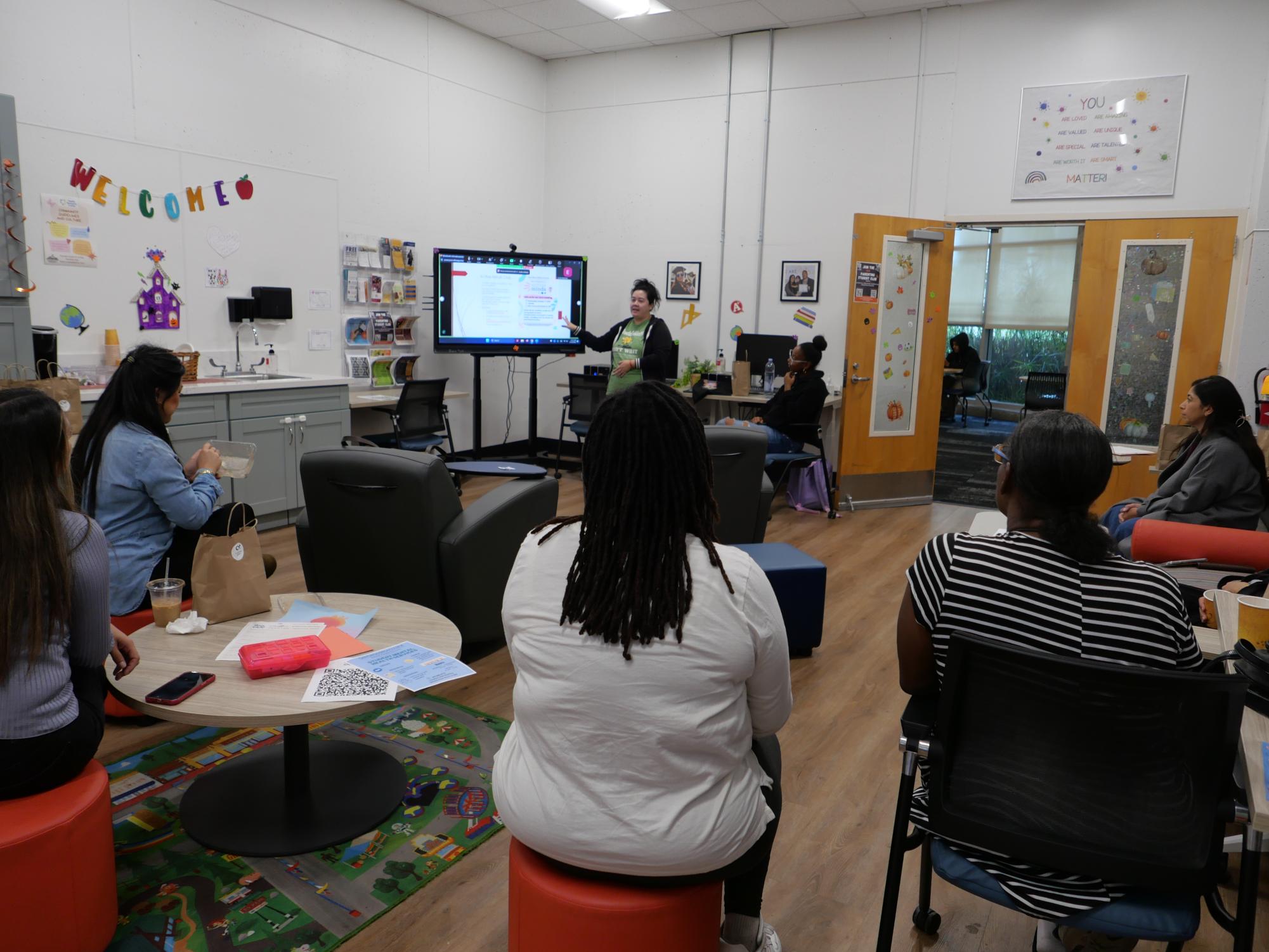
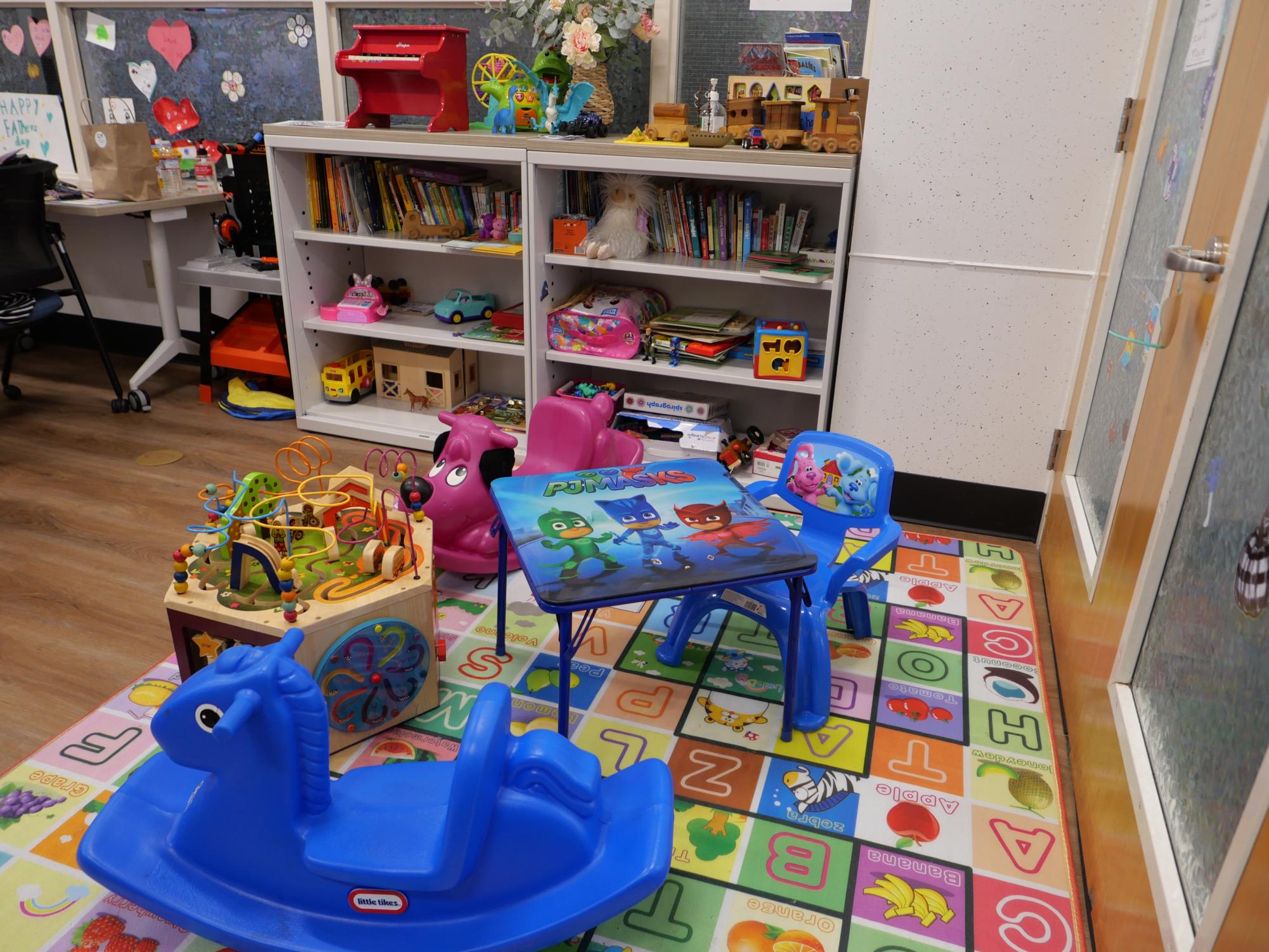
For such students, Mesa offers a variety of support systems and events for them. The Family Resource Center, opened in 2024 and located at the Mesa library, is the central hub where those take place.
Pahua Vang, a student services technician from the Stand, explained that they expanded their services for student parents as the statistics of the student population revealed a significant number of students who are parents at Mesa. “The Family Resource Center being able to open that up” was the greatest achievement as part of the efforts, she said.
At the center, many types of events for the student parents take place. For example, the “Parent Cafe” is for connecting with student parents to share experiences, build community, and discover helpful resources. Brunch is provided, and they can bring their children.
On the campus, in addition, there is CARE, a program providing services to single parents receiving CalWORKs, a welfare program offering financial assistance and services to qualifying families with children in California.
“We work with the CARE program and CalWORKs program to basically come up with events workshops that’ll keep the student parents connected and know that there’s resources out there for them,” Vang said. “We pretty much just partner with them so that we can strengthen our partnership to better serve our student population. That’s where the Parent Cafe came in.”
San Diego Community College District provides childcare services as well through San Diego City, Mesa, and Miramar Child Development Centers. They operate those services as instructional programs for students and offer quality educational programming for children.
“We also use the Child Development Center. It’s over there. So, our son, he goes there,” Alshaif said. “That’s pretty cool. So, both people benefit.”
In this way, Mesa supports and encourages student parents to achieve their academic success. Those places and programs function not only as a system providing resources but also as emotional support for them.
“I feel like the resources benefit me more on a mental, emotional, and physical level. It’s different when I can come to the library and work, but there are people who are willing to listen, but also hear me and supply me with information,” Mccullough said.
You can listen to the podcast episode for this article here.

Dominic Jones • Dec 24, 2025 at 7:13 am
Beautiful article . Very well written. I think we need more programs and support like this at a lot of schools. Thank you for highlighting everything.
Love From North Carolina
– Dominic Jones