
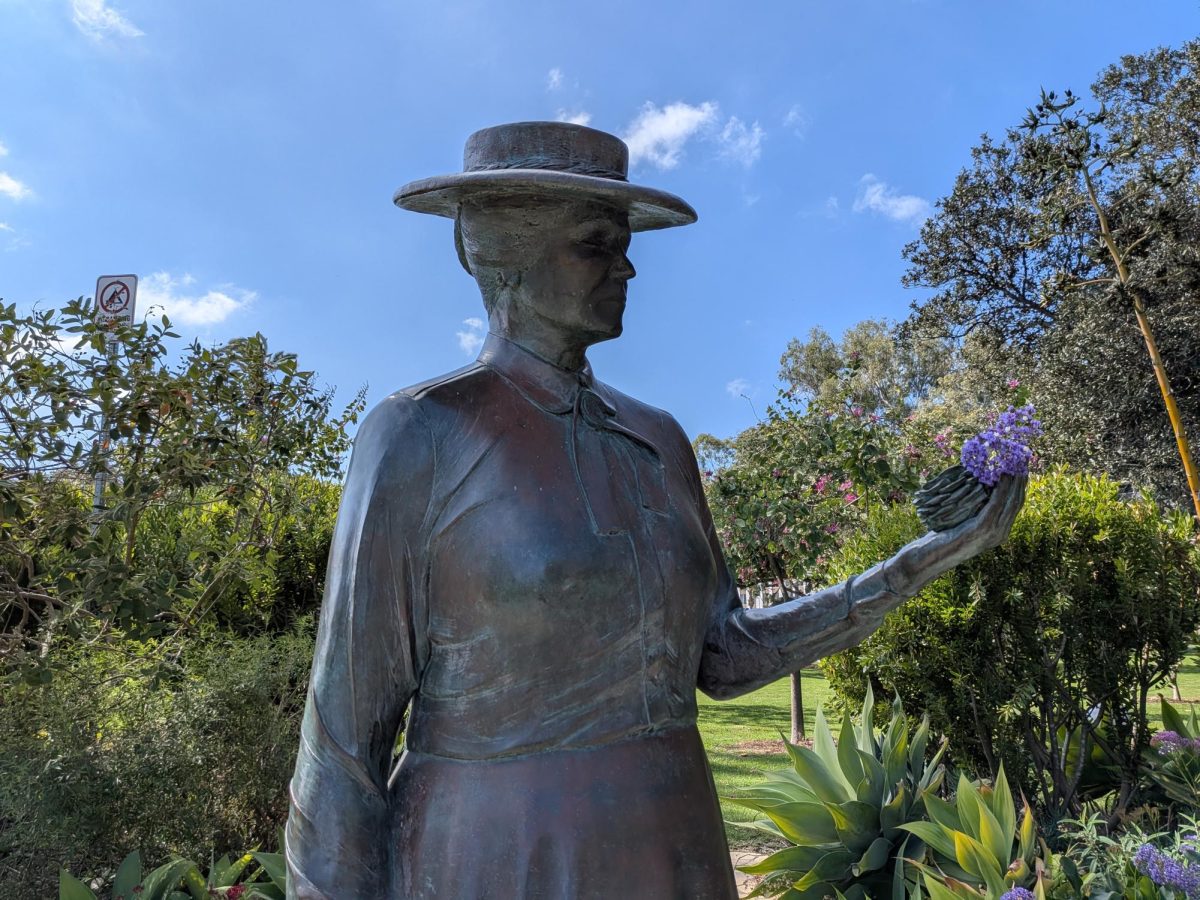
Did you know that one of the people who contributed most to shaping Balboa Park as we know it today was a woman? Balboa Park offers the Women’s History Tour that allows visitors to learn about women’s history through the stories of more than a dozen influential women, including her. To mark Women’s History Month, individuals involved in creating this tour, as well as the tour guide, shared their knowledge and thoughts on the tour’s significance and content.
“We created the Women’s History Tour because we were aware of women who weren’t well known but had roles in the early history of the park,” said Jean Stein, one of the creators of the tour and a current tour guide. The tour started with introducing 10 women, but now they speak of 18 women, after partnering with the Women’s Museum of California in 2022.
Stein stated that the tour participants’ reactions are always filled with strong interest and enthusiasm. “Most agree that women’s history is still not taught and they appreciate the stories we tell.” She also said that the significance of this tour lies in passing the baton to the next generation. “We would like to reach young women and college-age women to inspire them to follow our remarkable women.”
“Kate Sessions is considered the Mother of Balboa Park,” explained Fran Chadwick, another tour guide, as she stood in front of Sessions’ statue. Sessions came from the Berkeley area to San Diego and ended up deciding to open up a nursery. She then entered a unique agreement with the city: She leased 32 acres of undeveloped parkland to use as her own nursery, and instead of paying rent in cash, she paid in trees.
She planted 100 trees a year in the park, and 300 trees in the rest of the city. That agreement worked for 10 years. “Then they got with it after that, and started some formal landscaping. So that’s why we call her the mother of Balboa Park.”
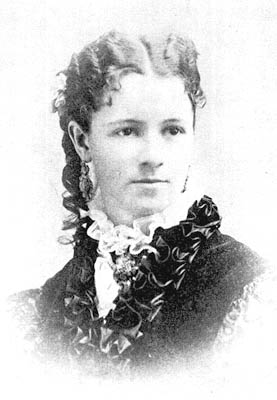
After crossing the Cabrillo Bridge, Chadwick stopped in front of the Museum of Us and began speaking again. “It was the location of women’s rooms for the 1915 exposition, where women could go in and nurse their baby or take care.”
Many museums along Balboa Park’s Prado were originally constructed for the 1915-16 Panama-California Exposition. She mentioned that there was a woman who served as a chairperson in charge of the art department for the exposition; her name was Alice Klauber.
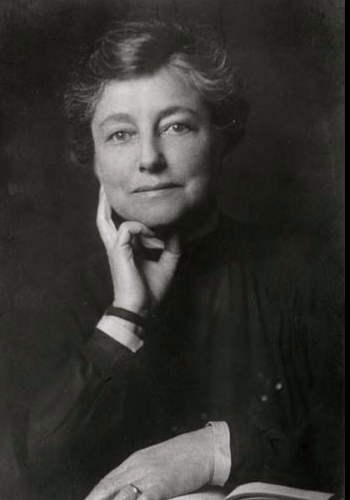
“At that time, the exposition directors were all men, and these men were very reluctant to have women’s representation and in the direction of the planning for the exposition,” Chadwick said. Then Klauber formed a San Diego Women’s Association and notified this board of men that if provisions and appropriate positions were not made for the women, she would advertise this fact to every women’s club. “So, not surprisingly, the board came around,” she said with a smile. Klauber ended up taking on the position mentioned above.
In this way, the tour offers participants the opportunity to learn about the women’s history associated with Balboa Park, the efforts women have made, and the roles they have played. Many of the tour guides are retired volunteers who have a deep understanding of the challenges these women faced back then. Their powerful words, which breathe life into history, offer us lessons and hope for the future.
The tour departs at 10:00 a.m. on the third Saturday of every month from the Bea Evenson Fountain, the east end of the Park. They welcome anyone interested in learning about women’s history to join them.
