
On the daily, social media platforms are flooded with images of war and suffering, and the thing that is at the front of my mind whenever I see a video of a grieving victim of a bomb strike is “how can we allow this happen?”
What happens when a resident of the United States is caught breaking the law? Ideally, they are arrested, tried for their crimes and if found guilty, a punishment is rendered. What happens though, when the United States, or any government breaks international humanitarian law? There is no grand court which has the authority to bind a leader and force them to answer for their crimes against humanity.
The 21st century has been defined by technological innovation in all aspects of life; smarter cars, smarter phones, smarter homes and smarter drones. Weapons of war have become increasingly more deadly, efficient and distanced. At no point in history has warfare been clean of civilian losses, but the amount of damage to innocents’ lives of modern combat is far greater than any point in history in scale alone.
Civilians are used as both shields and targets, their homes and hospitals are torn apart by combatants who are willing to do anything. Militant actors kidnap, shoot, assault, abuse and desecrate the humanity of their enemies. Mass killings and genocidal projects are underway in multiple parts of the globe; in Sudan, Ethopia, China and others.
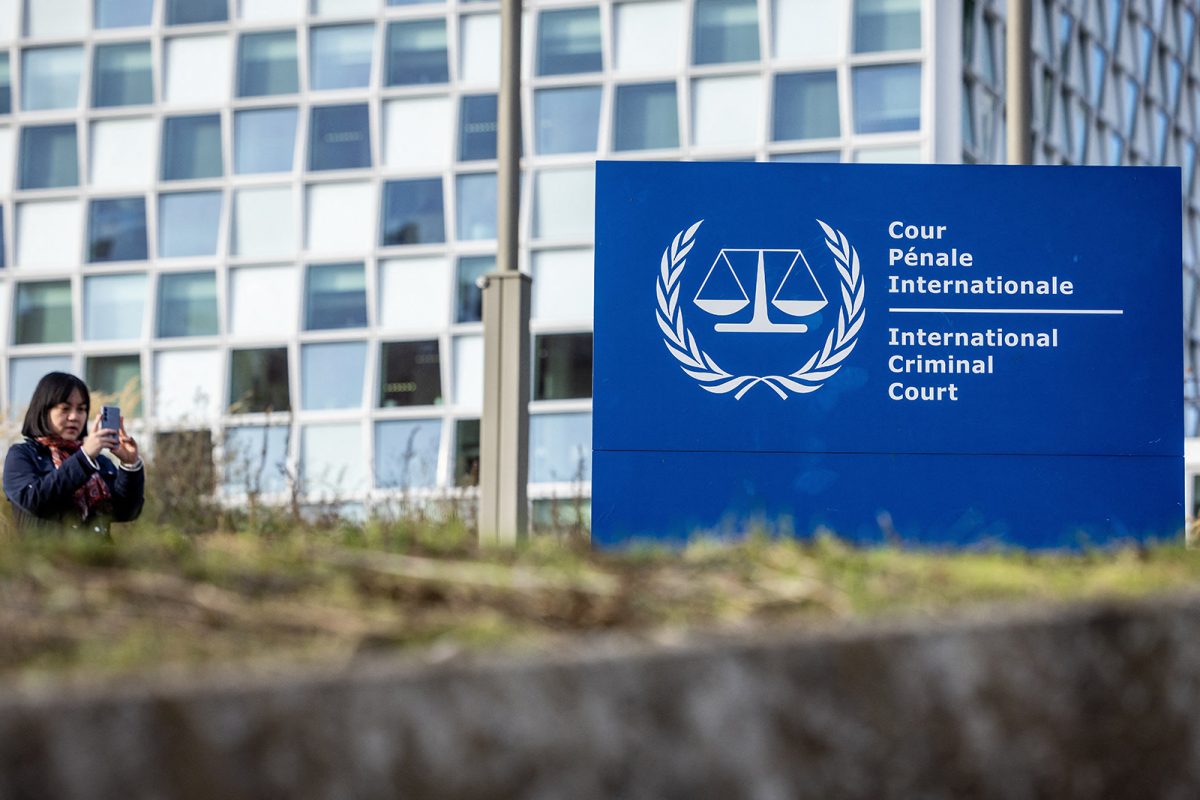
Organizations such as the International Criminal Court and the U.N. are often seen “world peacekeepers”, however their power to secure the safety of innocents is severely limited by the cooperation of the governments they are beholden to. Although the ICC has issued warrants against several world and militant leaders, such as Vladimir Putin, Benjamin Netanyahu and the late Mohammed Deif, its ability to arrest any individual is entirely dependent on cooperative countries that are bound by the Rome Statute.
125 countries have ratified the statute and thus are technically bound to enforce any arrests made by the ICC, however notable countries such as the United States, China, India, Israel and Russia have not agreed to the statue and are under no such obligations. The U.N.’s ability to prevent or intervene in crimes are similarly weak, including the fact that it’s police and military power is deliberately limited as to not threaten the interests of the permanent five countries of the security council.
This is not to say that these organizations are entirely impotent, they provide structure for international law and in the case of the ICC, have detained and convicted several war criminals. However, these organizations humanitarian efforts are undermined by the consistent choice to value a nation’s ability to commit violence as a form of its sovereignty more than the groups whom the nation focuses their violence towards.
So, if the systems we have in place are currently unable to secure the protection of civilians against inhumane acts, is it time for a global hegemonic court of justice with the authority to arrest members of state? Would our world be a safer, more humane place if there was a true world court that could put entire militaries on trial? Would it even be possible to implement such a system?
In truth, I find it incredibly hard to believe that this kind of global power would be able to manifest in my lifetime. In science fiction, single world governments may be common, but in reality, that kind of global cooperation is exceedingly rare.
For such a body to operate entirely focused on justice, it would need to be separate from the states it passes judgments on. In a world dominated by global superpowers, such a body would run counter to those powers interests. To convince the governments of these states to submit to such an authority would take nothing less than complete populist reform.
It would also be extremely difficult to create such a system that was devoid of oversight or prejudice. Both the ICC and the United States court system have been accused of bias. In the case of the ICC, leaders of African countries, such as Rwandan President Paul Kagame, have claimed that African countries have been unfairly targeted. Advocates claim that this is represented by the fact that 47 of the 54 individuals indicted by the ICC have been African.
The truth to whether or not the world needs or is ready for a true world court is complex. Despite how much I truly wish for accountability and safety to be a guarantee, I understand that the incentives and centuries of mistakes our societies are built on make that difficult to actualize. Perhaps though, in the future, we can carve out a place for true human-first justice.
